


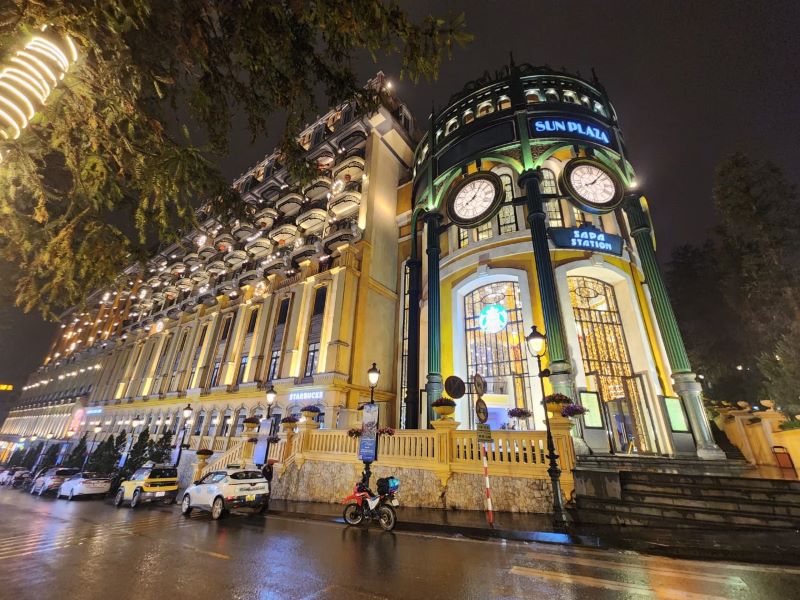
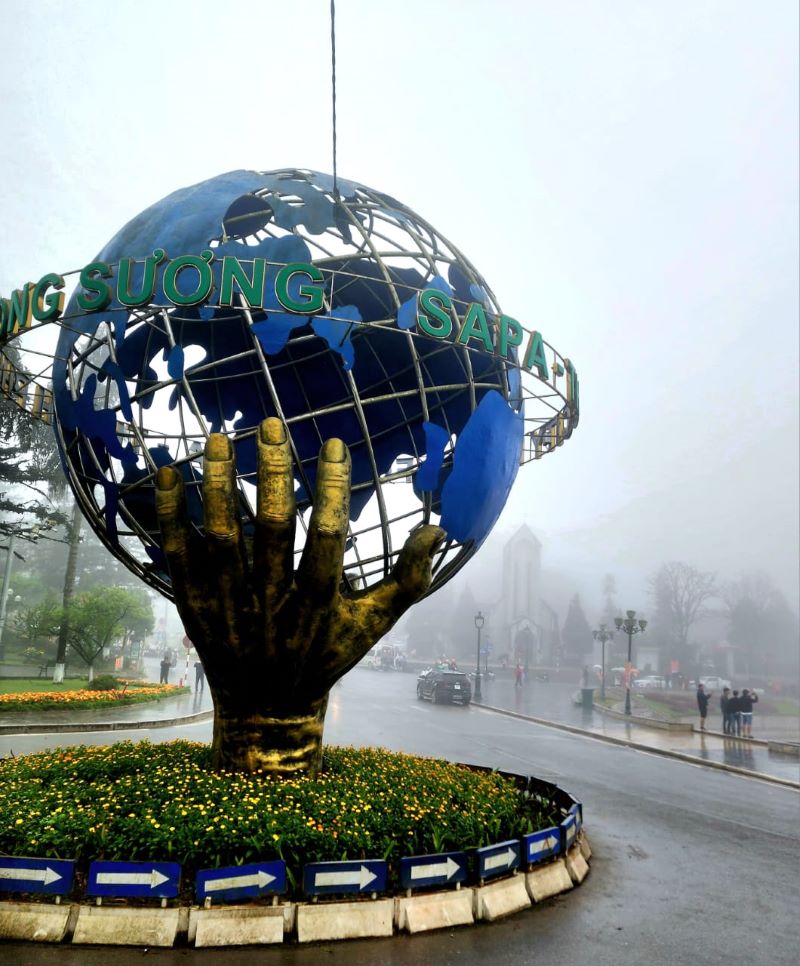
Perched high in the misty mountains of northern Vietnam, SaPa is one of the country’s most captivating highland destinations.
Located in Lào Cai Province near the border with China, the town is famed for its cool mountain climate, sweeping rice terraces and dramatic landscapes. But beyond its natural beauty, Sapa also has a fascinating colonial past that has shaped the character and appearance of the town today.
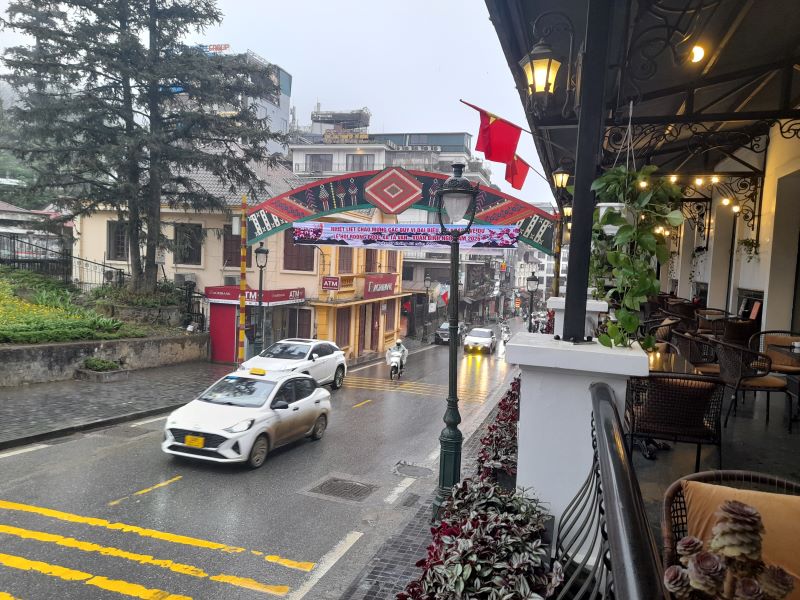
SaPa was originally developed as a hill station by the French during the early 20th century. Attracted by the refreshing alpine climate and spectacular mountain scenery, French colonial administrators and missionaries established Sapa as a retreat from the heat of the lowlands. During this period, villas, administrative buildings and churches were constructed, giving the town a distinctly European touch.
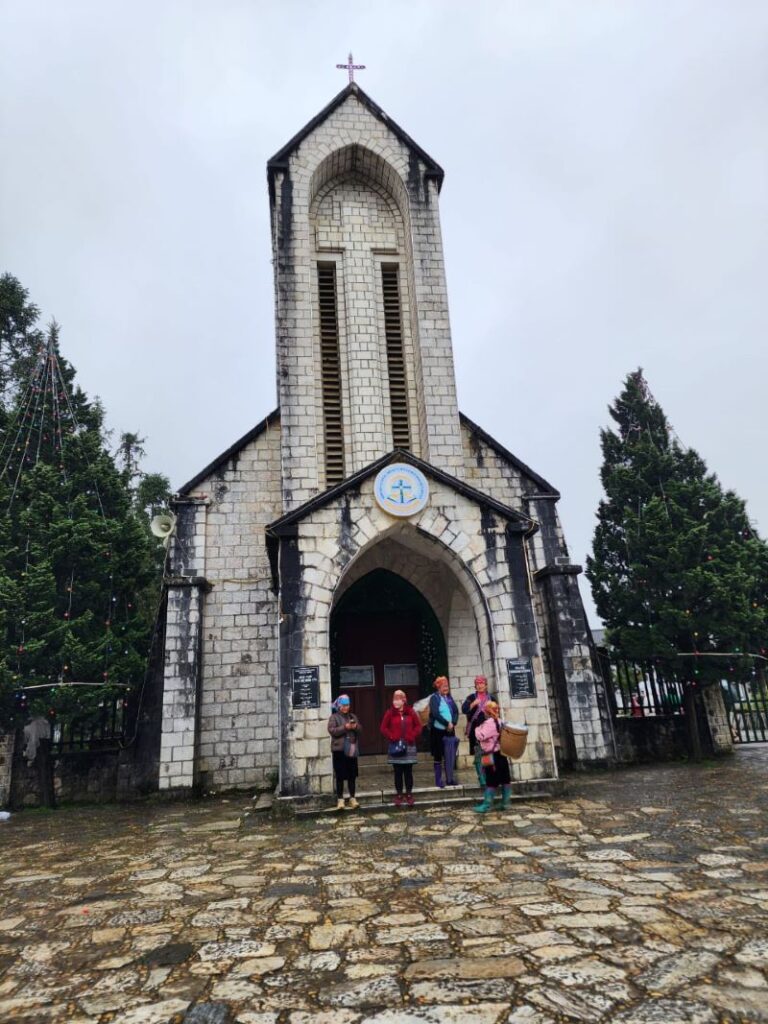
Today, traces of that colonial heritage still remain. One of the most prominent landmarks is the historic Sapa Stone Church, a beautiful Gothic-style church built by the French in the 1930s. Standing proudly in the center of town, the church has become an iconic symbol of Sapa and a gathering point for both locals and visitors.
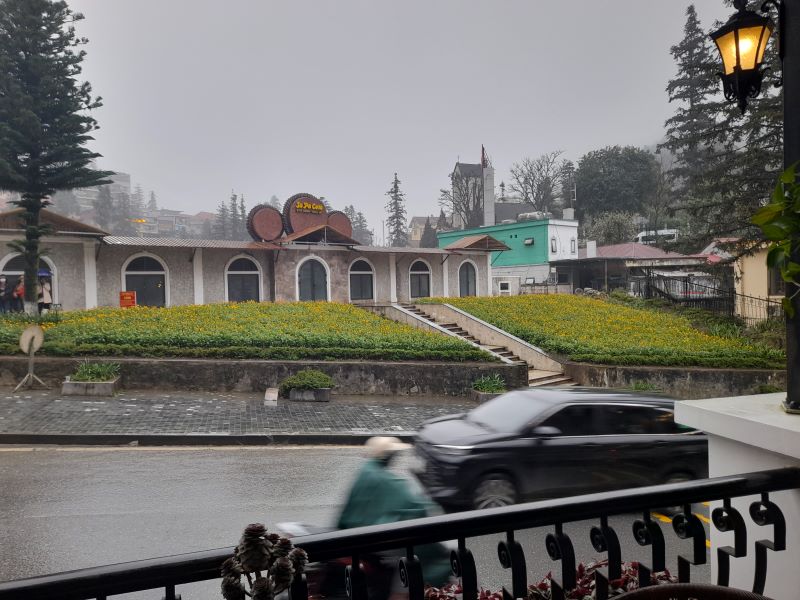
The layout of the town square, the surrounding streets and several older buildings still echo that French influence. Though many of the original villas were destroyed or replaced over time, the blend of colonial architecture with modern Vietnamese design gives Sapa a distinctive charm rarely found elsewhere in the country.
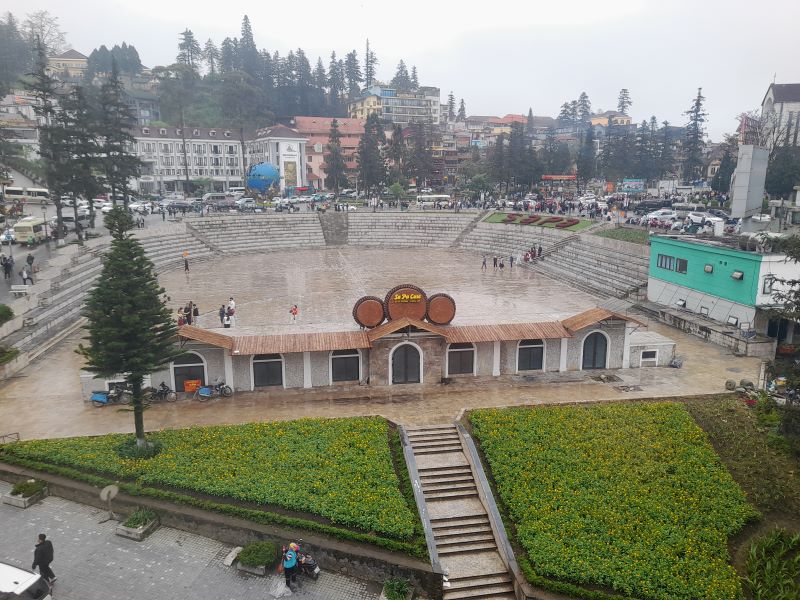
Modern-day SaPa is lively, colorful, and constantly buzzing with activity. The town center around Sapa Lake is filled with hotels, cafés, handicraft shops and restaurants that cater to travelers from around the world. At night, the streets glow with warm lights reflecting on the lake, while markets and food stalls offer local delicacies and handmade souvenirs. There is even a coliseum style arena where people gather nightly to dance and spend time despite the cold weather.
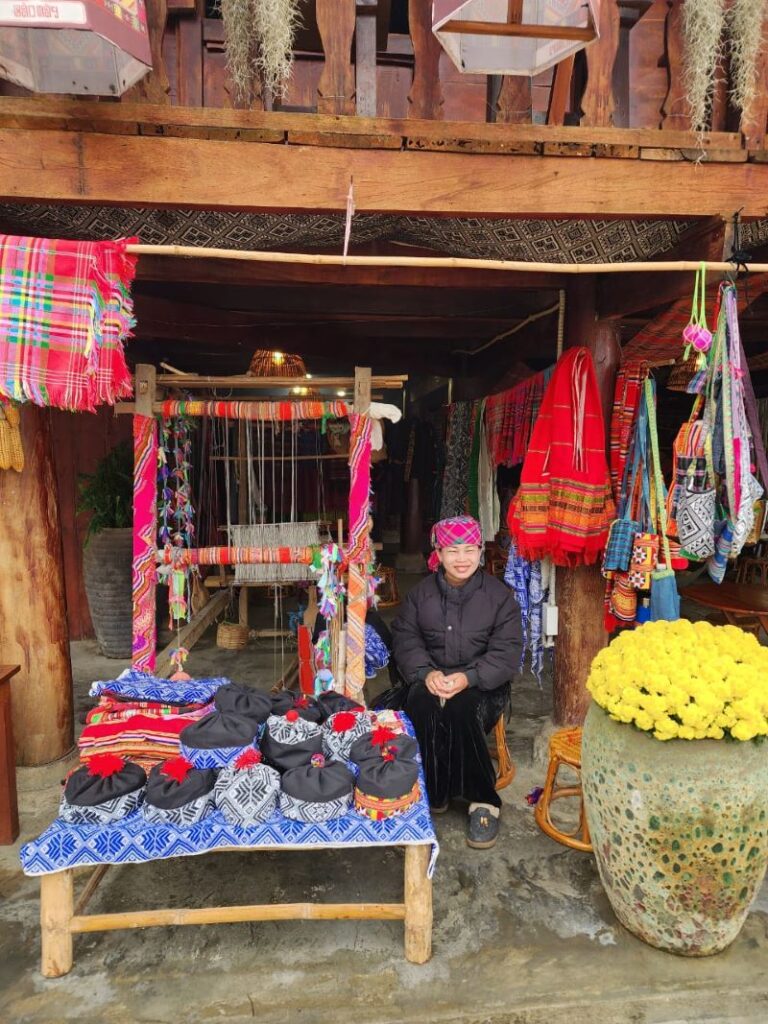
What makes SaPa particularly unique is the mix of cultures seen daily in the town. Members of ethnic minority groups such as the Hmong and Red Dao often come down from surrounding villages wearing beautifully embroidered traditional clothing, selling handicrafts or simply interacting with visitors. This vibrant cultural exchange adds color and authenticity to the town’s atmosphere.
Despite the growing tourism, Sapa still retains its picturesque appeal. Fog frequently drifts through the streets, sometimes enveloping the entire town in a soft mist that enhances its romantic mountain character.
The town attracts tourists from Malaysia, the Philippines, Singapore, India and other Asian countries too along with visitors from Australia and Europe, attracted by the cool climate and picturesque views.
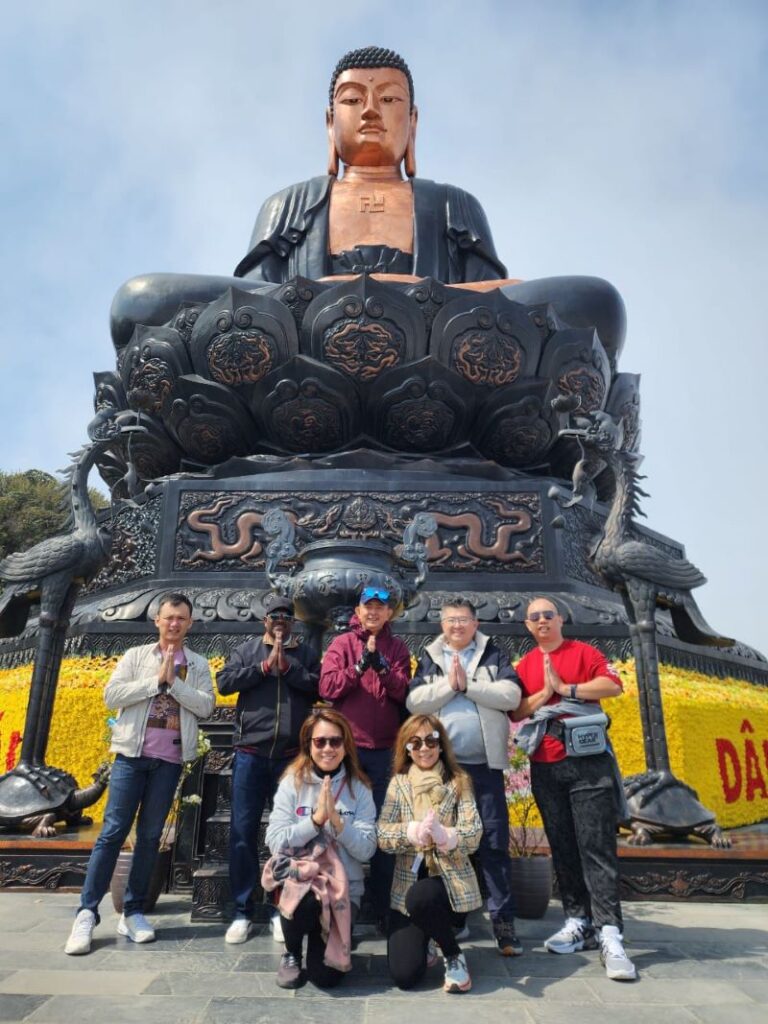
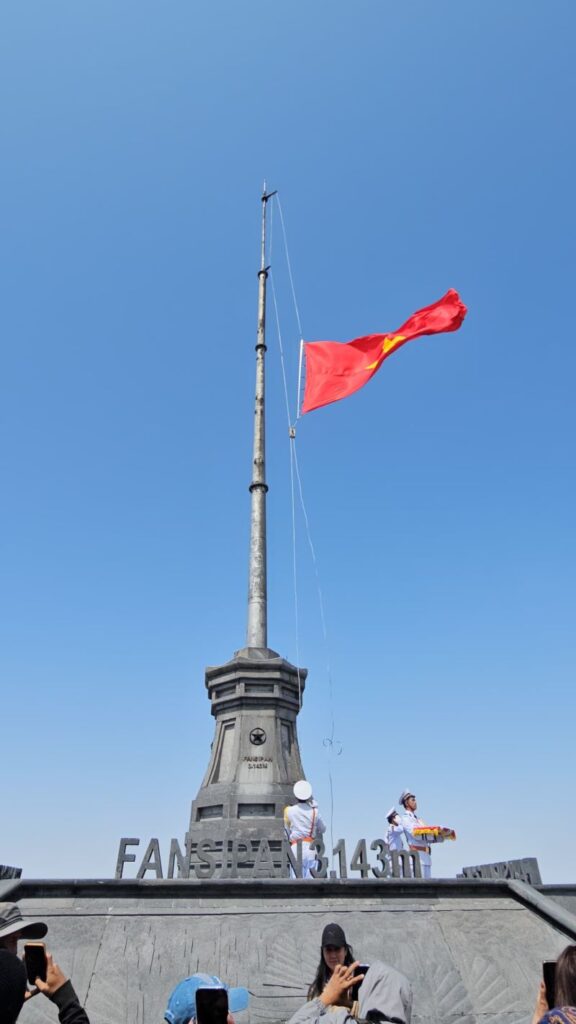
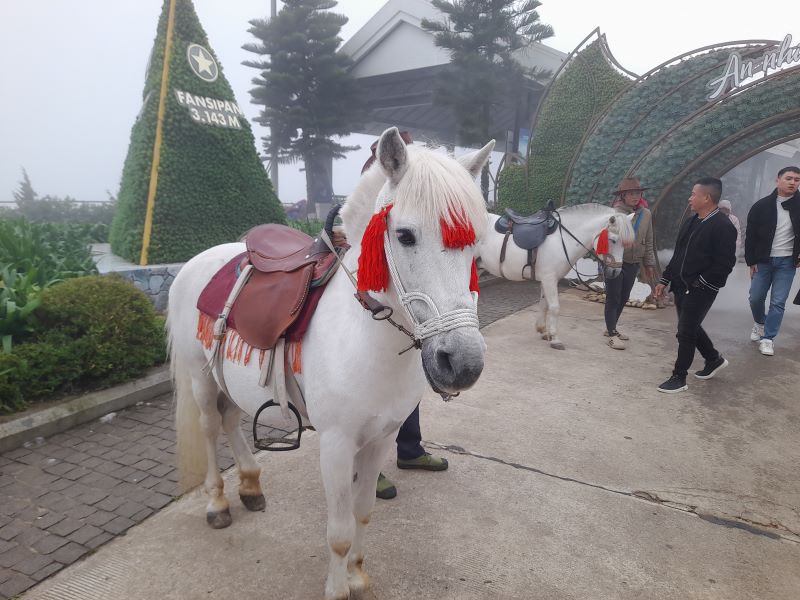
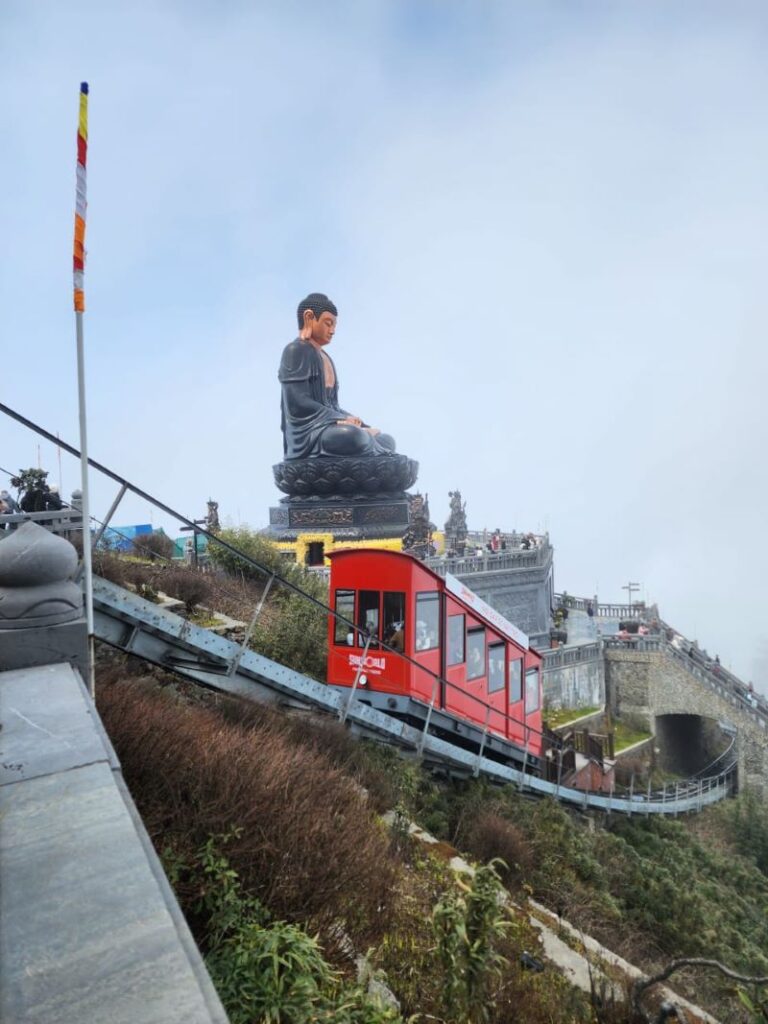
Meanwhile, one of the most breathtaking highlights of the region is Fansipan, the highest peak in Vietnam and often called the “Roof of Indochina.” Visitors can ascend this iconic mountain through the scenic Fansipan Funicular and cable car system, which glides above lush valleys and rugged cliffs. The journey itself is an experience, offering panoramic views of forests, waterfalls, and terraced farmland below.
At the summit area, travelers are greeted by impressive spiritual landmarks, including the towering Fansipan Buddha Statue and the serene Guanyin (Kuan Yin) Temple at Fansipan. These sacred sites sit dramatically among clouds and stone stairways, creating an atmosphere of tranquility and awe. The combination of mountain scenery and spiritual architecture makes the visit both visually stunning and culturally meaningful.
Back in town, SaPa’s café culture has grown rapidly in recent years. One popular stop is Moana Coffee, known for its creative viewing decks and photogenic installations. More surprisingly, when you pay your entrance ticket, you will als get a cup of coffee or soft drink with it.
The café’s terraces offer sweeping views of the surrounding valleys and mountains, making it a favorite location for visitors looking to capture memorable photos.
Decorative stairways, scenic platforms and cozy seating areas make Moana Coffee one of the most Instagrammable spots in town, especially during sunrise or sunset when the mist and golden light create magical views.
Beyond the town center, the countryside surrounding SaPa reveals some of the most beautiful landscapes in Southeast Asia. Famous rice terraces cascade along the mountainsides, particularly around villages like Cat Cat Village and Ta Van Village. These villages provide insight into traditional lifestyles and offer scenic trekking routes through valleys and fields.
Throughout the year, the scenery changes dramatically, from vibrant green terraces in the growing season to golden fields during harvest, ensuring that every visit to SaPa offers a new visual experience.
With its mix of breathtaking landscapes, rich cultural traditions and traces of French colonial heritage, SaPa stands as one of Vietnam’s most unique travel destinations. Whether wandering through the bustling town square, riding up to the summit of Fansipan, or relaxing at a scenic mountain café, visitors quickly discover why Sapa continues to enchant travelers from around the world.
So, start packing your bags to travel and enjoy this new destination and adventure but make sure to pack your warm clothes too..