


By V. Sivaji
At a time when the global aviation industry is facing rising costs, geopolitical uncertainties and soaring jet-fuel prices, the introduction of two new direct international air links to Penang is a welcome development and one that the state’s tourism industry should not take lightly.
New direct links from Haikou and Batam offer a timely boost to Penang’s tourism ambitions amid rising aviation costs and global uncertainty.
Airlines are tightening their belts, reducing flight frequencies and grappling with soaring jet-fuel prices, Penang is bucking the trend in a small but significant way.
Two airlines are preparing to introduce direct international services to Penang, a development that could provide further boost to the state’s tourism industry.
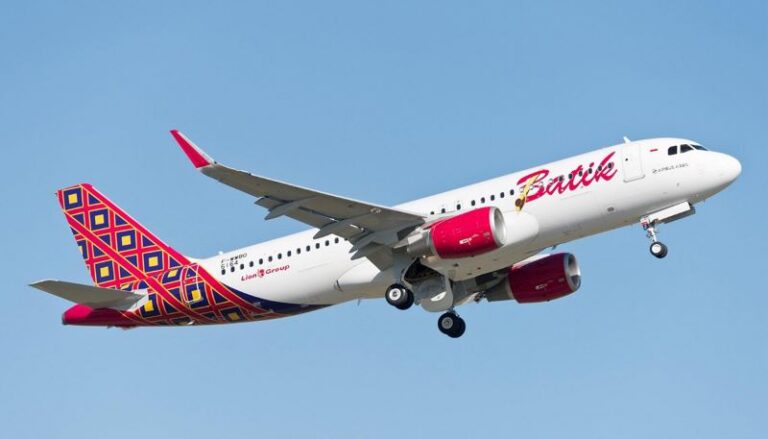
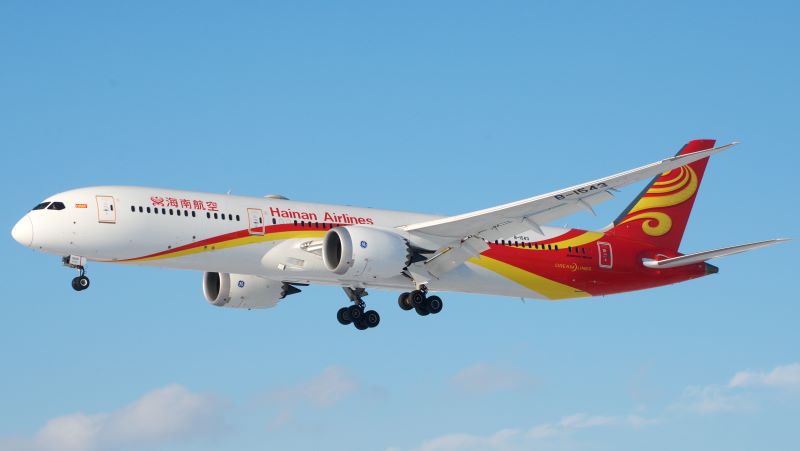
Hainan Airlines is scheduled to commence direct flights from Haikou to Penang on October 11, 2026, followed by Batik Air’s planned direct service from Batam, Indonesia, to Penang International Airport on October 18.
The timing could hardly be more interesting. With the Middle East crisis adding to uncertainty in the global aviation sector and fuel costs putting further pressure on airline operations, many carriers are looking carefully at their networks and passenger demand.
Against this backdrop, the addition of two new direct links to Penang is a development worth paying attention to. For tourism, connectivity is everything.
“The Haikou-Penang connection potentially provides Penang with another direct gateway into China, a market with considerable tourism potential. Penang’s combination of UNESCO-listed heritage, multicultural experiences, food, shopping, beaches and medical tourism gives it a broad appeal to international visitors. It will be the 9th direct flight from China to Penang,” said State Exco for Tourism and Creative Economy YB Wong Hon Wai recently.

Meanwhile, the Batam connection presents another interesting opportunity. A direct link between two island destinations could stimulate not only conventional holiday travel but also short breaks, family visits, business travel and potentially multi-destination tourism packages.
And this is where Penang’s tourism industry should think beyond simply counting arrivals. The real opportunity lies in getting visitors to stay longer, spend more and explore beyond the conventional tourist hotspots.
A visitor arriving on a direct flight should ideally translate into nights in a hotel, meals in local restaurants, visits to attractions, shopping excursions, heritage tours and spending at small and medium-sized businesses. The economic benefits can ripple well beyond the airport and George Town.
There is also an opportunity to position Penang as a gateway to northern Malaysia. With carefully developed itineraries, international visitors could be encouraged to explore Seberang Perai and neighbouring Kedah, Perlis and other destinations in the northern region.
But new routes do not guarantee success. Airlines need passengers and destinations need to give those passengers compelling reasons to travel.
This means tourism stakeholders, from government agencies and airlines to hotels, tour operators, attractions and retailers should work together to actively promote the new services in Haikou, Batam and their surrounding markets.
Penang has a strong story to tell. Its heritage, food, culture and diversity remain among its greatest tourism assets. What matters now is connecting that story to new audiences.
In that sense, the arrival of these two new routes comes at an opportune moment. When airlines in other markets are cutting back, Penang is gaining connectivity.
And for a tourism-dependent destination, every new direct flight represents something more than another line on the airport’s departure board.
It is a potential new gateway for visitors, new opportunities for businesses and another step towards strengthening Penang’s position as a regional tourism hub.